CUMMINS A061L203 Doser Injector Isb Qsb 2.2 EPA17 6.7 Isb/qsb
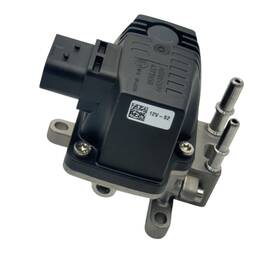
( Brand: Cummins ), ( Manufacturer Part Number: A061L203 ), ( Type: Fuel Injector ), ( Country Of Origin: United States )
Review CUMMINS Genuine Def Doser Injector Scr 2.2 6.7 Isb/qsb
The **Cummins A061L203 DEF Doser Injector (SCR 2.2)** is a precision-engineered component designed exclusively for Cummins ISL and QSL diesel engines compliant with **EPA 2017 emissions standards**, ensuring optimal performance and compliance with stringent environmental regulations. This high-performance **DEF (Diesel Exhaust Fluid) injector** is engineered to deliver a consistent and accurate metering of urea solution into the exhaust stream, facilitating the **Selective Catalytic Reduction (SCR) system** that reduces harmful nitrogen oxide (NOx) emissions to meet the latest emissions requirements. Built with **robust stainless steel construction**, the A061L203 is engineered to withstand the harsh conditions of diesel engine exhaust systems, including high temperatures and corrosive environments, ensuring long-term reliability and durability. Its **electronic control module (ECM) integration** allows seamless communication with the engine s management system, enabling precise dosing based on real-time engine load, exhaust temperature, and NOx levels, thereby maximizing efficiency while minimizing DEF consumption. The **self-cleaning nozzle design** prevents clogging from urea residue, reducing maintenance requirements and extending the injector s operational lifespan. Whether installed in heavy-duty trucks, buses, or off-road equipment, this **SCR 2.2 DEF doser** ensures compliance with EPA 2017 standards while maintaining optimal engine performance, fuel economy, and emissions control. Its compact yet robust design makes it an ideal retrofit or original equipment solution for Cummins ISL and QSL engines, providing operators with confidence in both regulatory adherence and long-term operational efficiency.
### **Pros and Cons of Buying a Cummins ISB/QSB A061L203 DEF Doser Injector (EPA17, 2.2L Fuel System)**
#### **Pros**
1. **EPA17 Compliance** The DEF doser injector is designed to meet the stricter EPA17 emissions standards, ensuring the engine complies with current regulations without requiring major engine modifications.
2. **Improved Fuel Efficiency** Proper DEF injection helps optimize combustion, reducing fuel consumption and improving overall engine efficiency, especially in heavy-duty applications.
3. **Extended Engine Lifespan** By maintaining optimal emissions performance, the DEF system helps prevent excessive soot buildup and reduces wear on aftertreatment components like the DPF and SCR catalyst.
4. **Compatibility with Modern Engines** The A061L203 is specifically engineered for the 6.7L ISB/QSB platform, ensuring seamless integration with existing fuel rail and injection systems.
5. **Reduced Maintenance Costs** A well-functioning DEF system minimizes the risk of costly repairs related to emissions-related failures, such as DPF clogging or SCR degradation.
6. **Future-Proofing** As emissions regulations tighten, having a reliable DEF system ensures the engine remains compliant with upcoming standards, avoiding potential legal or operational issues.
7. **Easier Upgrades** The modular design allows for straightforward installation and potential future upgrades, such as switching to a higher-flow injector if needed.
8. **Support for Heavy-Duty Applications** Ideal for trucks, buses, and industrial equipment where high torque and reliability are critical, the DEF system enhances performance in demanding conditions.
---
#### **Cons**
1. **Additional Maintenance Requirement** The DEF system introduces an extra component that requires monitoring, including checking DEF fluid levels, filter replacements, and potential injector cleaning or replacement over time.
2. **DEF Fluid Dependency** The system relies on high-quality, urea-based DEF fluid, which must be sourced consistently. Contamination or low-quality DEF can lead to injector clogging or system failures.
3. **Potential for Injector Failure** DEF injectors can wear out or fail over time, requiring replacement. Common issues include leaks, clogging, or electrical failures, which may necessitate professional servicing.
4. **Increased System Complexity** The addition of the DEF doser adds complexity to the fuel system, which may require specialized knowledge for diagnostics and repairs compared to traditional fuel injectors.
5. **Cost of Replacement Parts** While the initial purchase may be reasonable, DEF injectors and related components (e.g., filters, sensors) can be more expensive than standard fuel injectors, especially if aftermarket parts are used.
6. **Risk of System Contamination** If DEF fluid is not stored or handled properly, moisture or impurities can enter the system, leading to injector malfunctions or damage to the SCR catalyst.
7. **Potential for Reduced Power in Cold Weather** In extremely cold conditions, DEF fluid can thicken, causing temporary flow restrictions. While modern systems often include heating elements, this can still impact performance until the system warms up.
8. **Warranty Considerations** Some aftermarket DEF injectors may not be covered under the original engine warranty, meaning owners bear the full cost of repairs if issues arise.
---
### **Conclusion**
The **Cummins A061L203 DEF Doser Injector** is a **necessary and beneficial upgrade** for 6.7L ISB/QSB engines running under EPA17 standards. It ensures compliance, improves efficiency, and extends engine life, making it a worthwhile investment for most heavy-duty applications. However, the added maintenance requirements, dependency on DEF fluid quality, and potential for injector failure must be carefully managed.
For **truck owners, fleet operators, or off-road enthusiasts** running their engines at high loads or in emissions-restricted areas, this injector is **highly recommended**. Those operating in less regulated environments or with minimal DEF system monitoring may find the added complexity less convenient.
**Final Recommendation:**- **Buy if:** You prioritize EPA compliance, long-term engine health, and efficiency gains, and are willing to maintain the DEF system properly.
- **Avoid if:** You operate in a low-emissions environment, cannot reliably source high-quality DEF, or prefer minimal aftertreatment complexity.
- **Best Practice:** Pair this injector with a **high-quality DEF system** (including filters, sensors, and monitoring tools) and follow Cummins maintenance guidelines to maximize reliability. Consider **OEM or reputable aftermarket brands** for parts to ensure longevity.
Details:
Acts as the delivery point for DEF in SCR system. Prevents over-dosing or under-dosing. Part Number: A061L203, condition: New, Manufacture/Brand: Cummins, Fits A061L203 For EPA17 6.7 L ISB/QSB. Nix sensor codes upstream/downstream Why: DEF not atomizing or mixing properly.
Signs of a Bad DEF Doser Injector A061L203. Avoids warning countdowns and reduced power modes. DEF breaks down into ammonia.: A DEF Doser Injector A061L203 also called a injector or dosing valve is the component that sprays Diesel Exhaust Fluid DEF into exhaust stream as part of SCR Selective Catalytic Reduction system.
DEF level drops faster than normal Why: Injector stuck open or over-dosing. Clogged or sticking injector. Countdown to shutdown Why: Emissions system can't meet EPA limits. Why it matters:Keeps the truck running at full power and avoids downtime.
Enables SCR system operation. Reduces harmful Nix emissions. Reduces buildup and clogging in exhaust. Why it matters:Nix emissions are harmful and tightly regulated by EPA standards.
Poor Nix efficiency readings. Improves emissions efficiency. Noticeable DEF/ammonia odor Why: Over-injection or incomplete SCR reaction. Excessive DEF consumption.
Engine aerate or speed limitation. Intermittent faults. High Nix readings Why: DEF not being delivered correctly. Injector not ING or responding.
Strong ammonia or sharp exhaust smell. SCR efficiency or Nix conversion codes Why: DEF isn being injected correctly too much, too little, not at all. Protects exhaust components. Why it matters:Extends life of the SCR catalyst and exhaust system.
Rough exhaust flow or visible vapor. White vapor from exhaust not smoke Why: Sunburned DEF entering. Correct spray pattern prevents DEF crystallization. Essential for passing inspections.
SCR / DEF fault codes. Won't pass emissions inspection. Prevents engine aerate and shutdown. Works with the DEF pump, sensors, and ECM.
No audible during test Why: Electrical failure or stuck injector. Injects precise amounts of DEF based on engine load. Works after regent or long drive, then fails again Why: DEF crystallization inside injector tip. Ensures emissions stay within limits.
Check Engine Light on. Power reduced. Sprays DEF into hot exhaust gases. White crystals or buildup at exhaust.
Why it matters:Proper dosing protects the SCR catalyst and optimizes DEF consumption. Converts Nix into nitrogen and water. Chalky white residue near injector or pipe Why: DEF leaking, dripping, poor spray pattern causing crystallization. Purpose of using A061L203: 1.
Why it matters:Without proper dosing, the SCR system cannot function. Ammonia reacts in the SCR catalyst.
part #: a061l203 prices
- $208.29-$260.00
specifications carfuelinjector:
- brand: Cummins
- mpn: A061l203
- type: Fuel Injector
- country of origin: United States
seller carfuelinjector:
- city: Lyman, South Carolina
- # reviews: 514
- rating: 99.8%
general carfuelinjector:
- condition: New
- Air Fuel Delivery > Fuel Injection Parts > Fuel Injectors
payments carfuelinjector:
- other
- credit card: Visa
- wallet: Paypal
returns carfuelinjector:
- time: 30 Days
- paid by: Seller
- policy: Returns Accepted
shipping carfuelinjector:
- type: Calculated
- service: UPS Ground, UPS Next Day Air Saver, UPS Next Day Air
- transit: 4-9 Days
- cost: $0.00
- carrier: UPS
- class: Standard, One-day
offer carfuelinjector:
- availability: In Stock
- best offers: True
- started: March 12, 2026
- sold: 0
- quantity: 1
- options: Ship-to-home
Cummins A061L203 Is Similar To:
- NEW BOSCH INJECTOR 0-445-120-133 HPCR QSL CUMMINS 2003-2012 PEGASUS 8.3L (12.2% similar) 3l buy now $450...(March 21st, 2014)
- 2007-2010.5 Dodge 6.7L Cummins Cab amp Chassis 1 OEM Reman Injector 0986435519 (28.9% similar) Buyers beware. 7l owners can extend the life of their injectors by using standing performance formula with every tank of fuel. Adding an aftermarket fuel filter or a fads will also extend the life of your injectors. Us diesel parts - 2400 Palmer - Missoula, mt 59808 remanufactured single injector ...(January 31st, 2014)
- 2003-early 2004 Dodge 5.9L Cummins 250 305hp Genuine Bosch Reman Injector 1 (44.4% similar) Us diesel parts - 2400 Palmer - Missoula, mt 59808 remanufactured bosch common rail injector 2003 - early 2004 dodge 823...(April 4th, 2014)
- Set of 6 Dodge Cummins 2004.5 2007 5.9 5.9L Common Rail Rebuilt Injector (30.9% similar) 9 l epicure 600 engine, set of rebuilt injectors, R5135790AD, 5135790AD fits 2004 . Us/help files. Dodge Cummins diesel care...(March 17th, 2014)
- CUMMINS INJECTOR CORES 2882076KX (20.4% similar) Core use only. Up for offer 12 Cummins injector cores. Part # 2882076KX...(January 18th, 2014)
- Cummins Injector 3054250PX PT Type DNON Top Stop (39% similar) ...(February 27th, 2014)
- Cummins Fuel Injector Part 3083846 Remanufactured N14 Celect Injector (34.2% similar) No part group 01 fuel systems - injectors - injector, in CARTON1ENGINESG14,G855,G855 CM5. No core needed. Remanufactured Cummins fuel injector part # 3083846 note: I am not a mechanic and cannot diagnose your situation. Please verify that this part will fit your application before purchasing...(March 15th, 2014)
- Cummins Remanufactured Celect Fuel Injector 3411753PX s 23-3 (39.1% similar) I have more then one if needed posted with mobile...(May 12th, 2014)
- CUMMINS INJECTOR REMANUFACTURED N14 3411765PX N95 CELECT 98 NE1 (13% similar) Warranty: new or remanufactured items have a 30 day money back or product exchange warranty. Is also not res...(January 28th, 2014)
- Celect Injector 3652540 Cummins L10 (29.1% similar) New still wrapped up and in box. Elect injector #3652540 for a Cummins L10...(April 27th, 2014)
- 2004.5-2007 Dodge 5.9L Cummins 50hp Performance Injectors Genuine OEM Reman USA (28.4% similar) The use of a perimeter is also strongly recommended. Installation of this set of 6 dodge each orifice is then de-burred through an abrasive extrusion process that enhances both fuel flow and itemization. Product warranty: 1-YEAR these 2004 . 5 - 2007 dodge 9l Cummins 600 50HP performance injector...(March 3rd, 2014)