FORD TRUCK Fuel Injection Injector Diesel Van 322-00113 88-91
fits model: F350, E250. make: Ford. year: 1991.
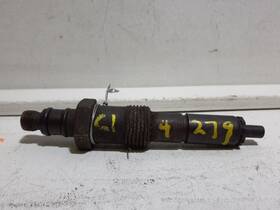
( Brand: Ford Truck ), ( Manufacturer Part Number: F350 ), ( Part Type: Fuel Injector ), ( Conditions Options: Diesel ), ( Genuine Oem: Yes ), ( Ipn: 322-00113 )
Review FORD TRUCK Fuel Injection Parts Injector Diesel 88-91 Van fits F350 E250 1991
The **Ford 322-00113 Fuel Injection Injector** is a precision-engineered component designed specifically for the **1988 1991 E250 Econoline Van** equipped with the **7.5L (454 cubic inch) V8 diesel engine**, a robust powerplant known for its durability and towing capability. This high-performance fuel injector is a critical part of the van s **Electronic Fuel Injection (EFI) system**, ensuring optimal fuel delivery, combustion efficiency, and overall engine performance. Crafted from high-grade materials, including a durable **stainless steel or hardened alloy body**, the injector is built to withstand the high pressures and temperatures inherent in diesel fuel systems, preventing leaks, corrosion, and premature wear. The **mechanical or solenoid-actuated design** (depending on the specific application) allows for precise metering of diesel fuel into the combustion chamber, enhancing throttle response, fuel economy, and reducing harmful emissions. Whether restoring a classic E250 for daily driving, off-road adventures, or heavy-duty towing, this injector is a direct-fit replacement for OEM failures, ensuring seamless integration with the van s original wiring harness, mounting brackets, and fuel rail system. Proper installation and regular maintenance, such as checking for clogs or leaks, will extend the life of the injector and maintain the engine s peak performance, making it an essential upgrade for any diesel enthusiast seeking reliability and power.
### **Pros and Cons of Buying a Ford 322-00113 Fuel Injector (Diesel, E250 Van, 1988-1991)**
#### **Pros**
1. **Common and Widely Available Parts** The Ford E250 van from the late 1980s is a well-known model, meaning fuel injectors (part number 322-00113) are relatively easy to find, whether new, used, or remanufactured. Aftermarket and OEM suppliers stock these parts, reducing downtime.
2. **Proven Reliability (When Maintained)** The 7.5L diesel engine (used in these vans) was designed for durability, especially in commercial applications. With proper maintenance, it can last well beyond 200,000 miles. Many owners report long-term reliability if injectors and fuel systems are kept in good condition.
3. **Lower Fuel Costs (Historically)** Diesel fuel was often cheaper than gasoline in the late 1980s and early 1990s, making the E250 a cost-effective choice for long-distance or heavy-duty use. Even today, diesel can be more economical for high-mileage drivers.
4. **Modification Potential** The E250 s engine and chassis have a strong aftermarket presence. Upgrades like turbocharging (aftermarket or factory), fuel system improvements, and performance tuning are possible, allowing owners to increase power and efficiency.
5. **Resale Value for Specialty Uses** If you plan to use the van for commercial purposes (e.g., mobile workshop, food truck, or cargo transport), its robust build and diesel engine can justify a higher resale value compared to gasoline alternatives.
6. **Simpler Mechanics (Compared to Modern Diesels)** The fuel injection system on these vans is mechanically driven (mechanical or early electronic injection) rather than fully electronic like modern diesels. This can make diagnostics and repairs more straightforward for those with basic mechanical skills.
7. **Off-Road and Towing Capability** The E250 s heavy-duty suspension and engine make it suitable for light off-roading or towing small trailers, which is useful for tradespeople or outdoor enthusiasts.
---
#### **Cons**
1. **Age-Related Wear and Tear** Vans from this era (1988 1991) are approaching 30 years old. Common issues include worn-out suspension components, rust in critical areas (especially in snowy or coastal climates), and aging electrical systems.
2. **Fuel Injector Failure Risk** The 322-00113 injectors are known to fail over time due to carbon buildup, internal wear, or fuel contamination. Symptoms include rough idling, misfires, black smoke, or a loss of power. Replacement injectors can be expensive if not sourced carefully.
3. **Emissions and Modern Regulations** Older diesel vans like the E250 do not meet modern emissions standards (e.g., EPA Tier 2 or Euro 4). This can limit where you drive (some states or countries restrict or ban pre-1996 diesels) and may require modifications (e.g., DEF systems, catalytic converters) to pass inspections.
4. **Fuel Quality Concerns** Older diesel engines are sensitive to modern fuel additives and low-quality diesel. Contaminants like water, bacteria, or poor-quality fuel can clog injectors or damage the fuel system. Using fuel stabilizers and high-quality diesel is essential.
5. **High Maintenance Costs Over Time** While parts are available, labor costs for repairs (especially on older models) can add up. Specialized mechanics familiar with Ford s older diesel systems may be harder to find in some areas.
6. **Rust and Structural Issues** Many E250s from this era suffer from rust, particularly in the frame, floor pans, and wheel wells. A thorough inspection is necessary to avoid costly repairs down the line.
7. **Limited Modern Technology** Unlike newer vehicles, the E250 lacks modern safety features (e.g., ABS, airbags, electronic stability control), which can be a concern for solo drivers or those prioritizing safety.
8. **Fuel Economy Variability** While diesel is efficient, the 7.5L engine in these vans is not as fuel-efficient as modern diesel engines. Expect around **8 12 MPG** depending on driving conditions, which may not be ideal for daily commuting.
9. **Resale Depreciation** Classic vans like the E250 depreciate quickly unless they are well-maintained or restored. If you plan to sell later, the market for these vehicles is niche and may not hold value well.
10. **Noise and Vibration** Older diesel engines can be louder and vibrate more than modern ones, which may be noticeable in a van used for passenger or cargo transport.
---
### **Conclusion**
Buying a **Ford E250 van (1988 1991) with a 322-00113 fuel injector** can be a great choice if you prioritize **durability, off-road capability, and cost-effective fueling** for heavy-duty or commercial use. The mechanical simplicity and availability of parts make repairs manageable, and the engine s reputation for longevity is strong **if maintained properly**.
However, the **age of the vehicle introduces risks**, including **injector failure, rust, emissions restrictions, and high long-term maintenance costs**. If you re not prepared for potential repairs, rust issues, or the need to modify the van for modern compliance, the drawbacks may outweigh the benefits.
---
### **Recommendation**
**Buy the E250 van only if:**- You have **budgeted for regular maintenance and potential injector replacements** (expect to replace injectors every **100,000 150,000 miles** if not already done).
- You **inspect the van thoroughly** for rust, engine condition, and fuel system health before purchasing.
- You **plan to use it for work or heavy-duty tasks** where its strength and diesel efficiency justify the trade-offs.
- You re **comfortable with mechanical repairs** or have access to a trusted mechanic familiar with Ford s older diesel systems.
- You **accept that emissions restrictions may limit where you can drive** and are willing to modify the van if needed.
**Avoid the E250 van if:**- You need a **daily driver** with modern safety and fuel efficiency features.
- You **cannot afford unexpected repairs** (e.g., rust damage, injector failure, transmission issues).
- You **prioritize low maintenance** over ruggedness consider a newer diesel van or a well-maintained used model from the 2000s.
- You **live in an area with strict emissions laws** that may make the van unusable without costly modifications.
**Alternative Considerations:**- If you like the E250 s build but want something more modern, look for a **Ford E-Series (2000 2014) with a 6.0L Power Stroke diesel** these are more reliable and easier to maintain.
- For a classic diesel experience with fewer issues, consider a **Ford F-Series (1994 2003) with a 7.3L or 6.0L diesel**, which are slightly newer and better supported.
- If you need a van, a **Ram 2500 or Dodge 3500 (1994 2004) with a Cummins or Power Stroke** offers better fuel economy and modern reliability.
**Final Verdict:**The **Ford E250 with the 322-00113 injector is a solid choice for the right buyer** someone who values **workhorse capability over convenience** and is prepared for the challenges of an older diesel. For everyone else, a newer diesel model or a well-preserved used van may be a smarter long-term investment.
Details:
FORD E350 VAN 88-91 Fuel Injector; diesel. FORD E250 VAN 88-91 Fuel Injector; diesel. FORD F250 PICKUP 88-91 Fuel Injector; diesel. Buyer pays for return shipping.
FORD F350 PICKUP 88-91 Fuel Injector; diesel.
part #: f350 prices
- $69.99-$100.00
specifications carfuelinjector:
- for models: F350, E250
- for makes: Ford
- for years: 1991
- brand: Ford Truck
- mpn: F350
- part type: Fuel Injector
- conditions options: Diesel
- genuine oem: Yes
- ipn: 322-00113
seller carfuelinjector:
- # reviews: 919
- rating: 99.3%
- city: West Palm Beach, Florida
general carfuelinjector:
- Air Fuel Delivery > Fuel Injection Parts > Additional Fuel Injection Parts
- condition: Used
payments carfuelinjector:
- other
- wallet: Google-pay
- credit card: Mastercard
offer carfuelinjector:
- started: March 12, 2026
- sold: 0
- availability: In Stock
- quantity: 1
- options: Ship-to-home
shipping carfuelinjector:
- type: Fixed
- transit: 4-8 Days
- service: Standard
- cost: $0.00
- class: Standard
returns carfuelinjector:
- policy: Returns Accepted
- paid by: Buyer
- time: 30 Days
Ford Truck F350 Is Similar To:
- Ford Racing Fuel Injector Set of 8 Mustang M-9593-MU32 0-280-158-060 NO RESERVE (35.9% similar) Despite the high flow rate, they are linear and controllable at low pulse width s and have been used in elev applications. Tuning calibration flow sheets available these are the same injectors Ford racing Whipple ships with there 05-10 mustang supercharger kits. In addition, these units are high-...(March 4th, 2014)
- 1 YEAR WARRANTY GENUINE OEM BOSCH FUEL INJECTORS 6 02-04 FORD 4.0 V6 (16.2% similar) This listing is for an oem quality rebuilt fuel injector set as pictured, specifically for the vehicles listed in the fitment chart above. On MAR-10-14 at 00:40:18 PDT,: every buyer gets a invitation for cash back. These are ready to install. This injector comes with o-rings, seals, filters, ...(March 12th, 2014)
- Motor Man Bosch Fuel Injector 0280156041 set of 8 Ford Expedition 4.6L (27.8% similar) Remanufactured by: motor man fuel injection 6246...(February 27th, 2014)
- 3R23-AA 0280156123 Fuel Injector Nozzle Injection For Ford XR6 (48.9% similar) Wholesale and retail all kinds of automotive electrical parts and exterior parts, mainly engaged in various model's of car switch, electronic fuel injection system, and the major foreign companies oem parts. The products include: fuel injector,radiator fan motor,airbag control module,knock sensors,...(April 12th, 2014)
- Motor Man 0280158064 Bosch Fuel Injector Set 8 Ford 4.6L 6.8L (39.4% similar) ...(February 27th, 2014)
- 07-12 Mustang Shelby GT500 47lb 47 EV1 Bosch fuel Injectors 5.4DOHC Ford Racing (28% similar) Shipping price includes shipping and handling charges contact info: call or 708-612-8934. Set of 8 new oem Ford racing / bosch 2007 -12 GT500 high impedance EV14 47LB injectors...(April 9th, 2014)
- ACCEL Fuel Injectors 48 lbs hr 12.0 Ohms Impedance 12 Volt Ford 4.6 5.0LOf8 (26% similar) Injector impedance 12. O-rings included yes outside diameter in. Driver type 12 v saturated circuit fuel rail o-ring outside diameter in. Seat to seat height in 880 in. Ohms injector plug bosch/amp-style manifold o-ring outside diameter in. Injector advertised flow rate cc/min 502. Overall height...(May 9th, 2014)
- DeatschWerks Fuel Injectors 39 lb hr Chevy Ford Pontiac Set of 8 18U0100398 (28.9% similar) Fitment information may not be available for all products and those without fitment will not have a compatibility link. Injector advertised flow rate lbs/hr 39 lbs...(January 29th, 2014)
- BRAND NEW Fuel Injectors Ford V8 Trucks 4.6 5.0 5.4 5.8L 1985-2004 SET of 8 (24.4% similar) Made in the USA by standard motor products. They are not remanufactured, not 'take offs and not cheap Chinese knock-offs. Ford used the same spec injectors for many, many years in their small block v8 applications but of several different designs supplied by different oe manufacturers. Depending on ...(March 29th, 2014)
- Ford 1986-11 Mustang 42 lbs hr Set of 8 Plug amp Play Fuel Injectors (31.1% similar) 9 ohms voltage : 8-15 volts , nominal 13. 5 psi or 3 bar resistance: 14. 5 volts amperage: translate Arabic Chinese french German Greek Indonesian Italian Hindi Japanese Korean Swedish Portuguese Russian Spanish square trade AP6. Amps pressure: min 30PSIG/ max 100PSIG o-rings included: yes ...(January 20th, 2014)
- Fuel Injectors ULTIMATE UPGRADE 1986-1995 Ford MUSTANG 5.0L GT V8 ASNU 4 Hole (26% similar) These bosch design iii 3 injectors are direct replacement for the design ii 2 or design I 1 they are, however, compatible with almost all Ford v8 cars 1985 -2004. Great for performance applications and to increase fuel economy. Untitled document price is for a set of 8 reconditioned fuel injectors...(January 13th, 2014)