HONDA 2690501 Fuel Rail Injectors Set 1.5L
fits model: Civic. make: Honda. year: 1988–1991.
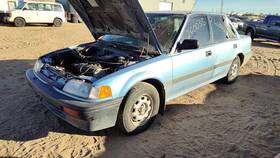
( Manufacturer Part Number: 2690501 ), ( Part Type: Fuel Injector ), ( Id: 971a3c9e-f942-4f2f-a694-962f37fd9a0f ), ( Interchange: 322-59218 ), ( Year: 1989 )
Review HONDA Complete Fuel Rail Injectors Set Loaded 1.5l Sedan fits CIVIC 1988–1991
The **Honda 2690501 Fuel Rail Injectors Set (1988 1991 1.5L Civic)** is a precision-engineered component designed to deliver optimal fuel efficiency and performance for Honda s iconic 1.5-liter E-series engine, commonly found in the 1988 through 1991 Civic models. This high-quality replacement set includes two **OEM-specification fuel injectors**, meticulously crafted to match the original equipment standards, ensuring seamless integration with the engine s fuel delivery system. Engineered with a **top-tier solenoid and nozzle assembly**, these injectors utilize Honda s proprietary **electromagnetic actuation** to deliver a precise, atomized fuel spray directly into the intake ports, promoting efficient combustion and reducing emissions. The injectors are built with **durable stainless steel bodies** and **high-performance seals**, resistant to corrosion and wear, which helps maintain consistent fuel flow even under demanding driving conditions. Whether replacing worn-out original injectors or upgrading for improved throttle response, this set is an ideal choice for restorers, mechanics, and enthusiasts seeking reliability and performance. Compatible with both **carbureted and early fuel-injected 1.5L E-series engines**, this set ensures a clean, trouble-free installation with minimal adjustments required, making it a straightforward yet critical upgrade for maintaining peak engine health and longevity.
**Pros and Cons of Buying a 1988-1991 Honda Civic 1.5L Fuel Rail Injectors Set (Part Number 2690501)**
### **Pros**
1. **Direct Replacement Part** The injectors are a direct fit for the specified Honda Civic models, ensuring compatibility without modification. This eliminates the need for adapters or customization, reducing potential installation complications.
2. **Reliability and Performance** Honda s fuel injectors from this era are known for durability, especially when sourced from reputable manufacturers or OEM suppliers. Properly functioning injectors improve fuel efficiency, engine responsiveness, and overall drivability.
3. **Cost-Effective Solution** Compared to rebuilding or replacing the entire fuel system, purchasing a new or high-quality used set of injectors is a relatively inexpensive fix. This can save hundreds of dollars compared to engine overhauls or electronic control unit (ECU) replacements.
4. **Prevents Long-Term Damage** Faulty injectors can lead to poor fuel atomization, carbon buildup, or even engine misfires, which may damage the catalytic converter or spark plugs over time. Replacing them proactively can extend the life of other engine components.
5. **Ease of Installation** For mechanically inclined owners or those with basic automotive skills, replacing injectors can be a manageable DIY project, especially with the right tools (e.g., injector socket, fuel pressure gauge, and a scan tool for clearing codes). Many online resources and tutorials are available to guide the process.
6. **Improved Emissions Compliance** If the vehicle is used for emissions testing, failing injectors can cause it to fail. Replacing them ensures the engine runs within acceptable parameters, avoiding unnecessary fines or registration issues.
7. **Availability of Parts** While newer models may have limited aftermarket support, the 1.5L Honda Civic injectors are still widely available through online retailers, auto parts stores, and eBay. This makes sourcing parts relatively straightforward.
---
### **Cons**
1. **Age and Wear of Other Components** Injectors may not be the only failing part in a late-'80s Civic. The fuel pump, fuel filter, fuel pressure regulator, or even the ECU could be degraded. Replacing injectors without addressing these issues may lead to recurring problems.
2. **Potential for Counterfeit or Low-Quality Parts** Purchasing from untrusted sellers (especially online) risks receiving knockoff or refurbished injectors that may not perform as expected. Always verify the seller s reputation and consider buying from a dealership or reputable aftermarket supplier.
3. **Complexity of Diagnosis** Symptoms like rough idling, stalling, or check engine lights (e.g., P0171/P0174 for lean conditions) can stem from multiple issues (e.g., vacuum leaks, faulty sensors, or clogged injectors). Without proper diagnostics (e.g., live data from a scan tool), you might replace injectors unnecessarily.
4. **Labor-Intensive Installation** While not extremely difficult, removing and reinstalling injectors requires disconnecting fuel lines, draining fuel, and potentially recalibrating the fuel pressure. Improper handling can lead to fuel spills or damage to the fuel rail or injectors themselves.
5. **Compatibility with Modified Engines** If the engine has been modified (e.g., turbocharged, tuned, or upgraded with aftermarket components), stock injectors may not deliver sufficient fuel flow. In such cases, larger or high-flow injectors may be needed, which could require additional research or consultation with an expert.
6. **Environmental and Safety Risks** Working with fuel systems involves handling flammable liquids. Proper ventilation, grounding, and caution are essential to avoid accidents. Always work in a well-ventilated area and avoid smoking or open flames nearby.
7. **Limited Longevity of the Fix** Even new injectors may wear out over time, especially if the vehicle is driven aggressively or maintained poorly. Regular maintenance (e.g., fuel system cleaners, filter replacements) can extend their lifespan but won t make them last indefinitely.
---
### **Conclusion**
Buying a set of **Honda 2690501 fuel rail injectors (1988-1991 1.5L Civic)** is a practical and cost-effective solution for restoring proper engine function if the injectors are confirmed faulty. The benefits such as improved performance, emissions compliance, and prevention of further damage often outweigh the drawbacks, provided the purchase is made from a trusted source and the installation is approached methodically.
However, the decision should not be made in isolation. **Thorough diagnostics** (e.g., scanning for codes, checking fuel pressure, inspecting related components) are critical to ensure the injectors are indeed the root cause of the issue. Additionally, addressing other potential problems (e.g., fuel pump, sensors, or wiring) simultaneously can prevent future headaches.
If you re confident in your mechanical skills and have access to the right tools, replacing the injectors yourself is feasible. For those less experienced, consulting a mechanic for installation or diagnostics may be worthwhile to avoid costly mistakes.
---
### **Recommendation**
1. **Verify the Problem** Use a scan tool to confirm that the check engine light is related to injector failure (e.g., codes like P0171, P0174, or P0190). Test fuel pressure and inspect for leaks or clogs in the fuel system.
2. **Source Parts Carefully** Purchase from a reputable seller (e.g., RockAuto, Amazon, or a local Honda parts dealer) to avoid counterfeit or damaged injectors. Consider OEM or high-quality aftermarket brands (e.g., Denso, Delphi, or Moroso).
3. **Prepare for Installation** Gather the necessary tools (e.g., injector socket, fuel pressure gauge, line wrench, and a drain pan for fuel). Have a fuel-safe container ready to catch residual fuel.
4. **Consider Professional Help if Needed** If diagnostics or installation seem daunting, a mechanic can provide guidance or perform the work for a reasonable labor cost.
5. **Maintain the System Post-Installation** Use a high-quality fuel additive (e.g., Seafoam or Techron) every few thousand miles to keep injectors clean. Replace the fuel filter and consider upgrading the fuel pump if it s old.
6. **Budget for Contingencies** Allocate extra funds for potential additional repairs (e.g., a new fuel pressure regulator or ECU calibration if needed).
**Final Verdict**: If the injectors are confirmed bad and you re prepared for the work, replacing them is a sound investment. However, prioritize proper diagnostics and maintenance to ensure long-term reliability. For most owners, this is a worthwhile DIY project or a cost-effective repair when done correctly.
Details:
This part will fit the following: HONDA CIVIC SEE ALSO DELSOL CRX 88-89 Fuel Injector, 2WD TBI, main, 90-91 Ht bk, excl. Search for more parts HONDA CIVIC.
part #: 2690501 prices
- $141.99-$285.00
specifications carfuelinjector:
- for models: Civic
- for makes: Honda
- for years: 1988-1991
- mpn: 2690501
- part type: Fuel Injector
- id: 971a3c9e-f942-4f2f-a694-962f37fd9a0f
- interchange: 322-59218
- year: 1989
shipping carfuelinjector:
- cost: $0.00
- service: Standard
- transit: 2-5 Days
- class: Standard
- type: Fixed
payments carfuelinjector:
- other
- credit card: Diners-club
- wallet: Paypal
seller carfuelinjector:
- # reviews: 16258
- rating: 99.5%
- city: Brush, Colorado
general carfuelinjector:
- condition: Used
- Air Fuel Delivery > Fuel Injection Parts > Fuel Injectors
returns carfuelinjector:
- time: 30 Days
- paid by: Seller
- policy: Returns Accepted
offer carfuelinjector:
- options: Ship-to-home
- started: May 4, 2026
- best offers: True
- quantity: 1
- sold: 0
- availability: In Stock
Honda 2690501 Is Similar To:
- HONDA OEM 06164-PCA-000 Fuel Injector (32.8% similar) Left is drivers side. Please double check item specifications. Right is passenger side. All parts are in genuine packages, brand new sealed condition...(March 14th, 2014)
- RC 1200cc Fuel Injectors Honda Acura B16 B18 B20 H22A F22 H22 Turbo (28.8% similar) Part # PL9-1200. Posted with mobile. Up for bid are a set of 4/1 200CC rc peak and hold injectors. This were used on one Dino session only...(January 20th, 2014)
- 4 Beck Arnley 158-0586 New Fuel Injectors Fits Honda Accord (35.6% similar) O-rings included yes quantity quantity of 4 wiring harness included no this product ships directly from the manufacturer. Fitment information may not be available for all products and those without fitment will not have a compatibility link. Notes this is a new fuel injector...(March 10th, 2014)
- Set of 4 OEM Honda IPT Fuel Injectors 1986-1997 Accord 2.2L (37% similar) The four cylinders of the injector bench testing unit in the picture above are the actual flow test results from this set of honda Khan injectors - after servicing they flow matched at just 1 % which is awesome. These injectors have all new upper o-rings, new upper rubber grommets, new lower seals, ...(March 1st, 2014)
- Set of SIX BRAND NEW OEM Fuel Injectors for 1996-97 HONDA amp ACURA 3.2L DEAL (27.5% similar) 2l V6, 3165CC. Visual, full electrical and flow testing is performed, including a final spray pattern test. Some may have been in long-term storage. Set of 6 brand new honda/aura oem Delphi fuel injectors for 1996 -97, this test is done with a non-f. 2l V6, 3165CC. Vain 6VD1 honda/aura oem # ...(March 28th, 2014)
- Honda 2006-11 Civic Si 2.0L K20Z3 Set of 4 660cc Fuel Injectors with New Clips (51.2% similar) 9 ohms voltage : 8-15 volts , nominal 13. K20Z3 feature drop-in fitments for a simple installation. Amps pressure: min 30PSIG/ max 100PSIG o-rings included: yes warranty: 1 year warranty. All fuel injectors are remanufactured here in the usages is for a set of 4# fuel injector high IMPEDANCE660CC ...(March 18th, 2014)
- Set of six Genuine OEM Delphi Fuel Injectors 25166922 Honda Acura Isuzu (30% similar) Any injector that does not pass all of the tests is discarded. The six cylinders of the fuel injector bench testing unit in the picture above are the actual flow test results from this set of Delphi injectors - after servicing they flow matched at just 3 % perfect. Why take a chance on untested used...(March 2nd, 2014)
- FLOW BALANCED 390cc FUEL INJECTOR HONDA CIVIC INTEGRA ECLIPSE DSM TURBO 450cc (16% similar) Easy fitment guide 1988 -1991 civic/CRX all model's direct fit 1992 -1995 civic/del sol all model's resistor box needed 1996 -2000 civic/del sol all model's resistor box/connectors needed 1990 -1991 integral all model's direct fit 1992 -1995 integer. Why take the risk. My injectors are tested ...(March 24th, 2014)
- 4-DeatschWerks 750cc injectors Honda Civic B D H 92-00 and Integra B D H 91-01 (24.4% similar) 1 ms maximum duty CYCLE92%COIL IMPEDANCE14. 2 ohm injector tepidness top feed connector static flow rate psi >4358708090100CC//HR70. All sets are flow balanced...(May 26th, 2014)
- 460cc DENSO FUEL INJECTORS HONDA CIVIC INTEGRA TOYOTA MAZDA NISSAN RX7 RX-7 FORD (15.8% similar) If for any reason you are not satisfied with these injectors, simply send them back & you only pay the original shipping costs...(March 2nd, 2014)
- 4 Bosch EV14 60lb 630cc fuel injectors Honda Audi VW mazda ford dodge (29.1% similar) High resistance, no inline resistors or resistor box requires for use. 5PSI 3 bar fuel pressure - 630CC offer includes: set of 4 new bosch EV14 60LB/630CC fuel injectors 0280158298 thesis a high performance, high volume fuel injector. length : 2-3/8 inches, 64MM 48. The fuel delivery is from a ...(January 15th, 2014)