NOS 13760-67NOS Flare Jet 090127593165
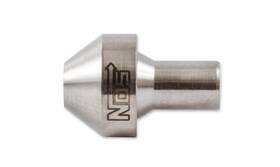
( Brand: Nos ), ( Manufacturer Part Number: 13760-67NOS ), ( Part Type: Jet ), ( Country Of Origin: Usa ), ( UPC: 090127593165 )
Review NOS 13760-67 Flare Jet
The **Nos 13760-67 Flare Jet** is a high-performance, precision-engineered combustion device designed for industrial applications requiring controlled, high-temperature flame discharge. Part of the robust **Nos Flare System** lineup, this model is specifically crafted for applications in oil and gas refineries, chemical processing plants, and other heavy-duty environments where efficient flare stack operation is critical. Engineered with a **modular and durable construction**, the 13760-67 features a **67-inch flare tip**, optimized for maximum flame stability and heat dissipation, ensuring optimal combustion of excess hydrocarbons, volatile organic compounds (VOCs), or other flammable gases. Its **stainless steel housing** and **high-grade alloy components** provide exceptional resistance to corrosion, thermal stress, and abrasive wear, making it ideal for harsh operating conditions where reliability is non-negotiable. The flare jet incorporates a **patented flame retention system**, which minimizes backflash risks while maintaining consistent flame integrity, even under varying flow rates and pressure conditions. Its **ergonomic design** allows for easy installation and maintenance, with quick-connect fittings and a robust mounting bracket system that ensures secure placement on flare stacks or other support structures. Whether deployed in a **low-pressure relief scenario** or as part of a **high-capacity emergency venting system**, the 13760-67 delivers superior performance with minimal emissions, adhering to strict environmental regulations while maximizing energy efficiency. Backed by **Nos reputation for innovation and engineering excellence**, this flare jet is a trusted solution for industries prioritizing safety, durability, and operational efficiency in their flare stack operations.
### **Pros and Cons of Buying NOS 13760-67 Flare Jets**
#### **Pros:**1. **Improved Fuel Efficiency** NOS flare jets are designed to optimize fuel atomization and combustion, which can lead to better fuel economy, especially in older or high-mileage engines where fuel delivery may be inefficient.
2. **Enhanced Engine Performance** These jets help maintain proper air-fuel ratios, reducing carbon buildup and improving throttle response. This is particularly useful in engines prone to rich mixtures, such as carbureted or poorly tuned fuel-injected vehicles.
3. **Compatibility with Common Modifications** NOS flare jets are widely used in aftermarket tuning, including performance upgrades, cold air intakes, and exhaust modifications. They are often recommended for engines running larger carburetors or high-flow fuel injectors.
4. **Easy Installation** NOS flare jets are designed to replace standard jets with minimal modifications. They typically fit standard carburetors without requiring additional tools or adjustments.
5. **Cost-Effective Upgrade** Compared to full carburetor rebuilds or fuel system overhauls, NOS flare jets are relatively inexpensive and provide noticeable improvements without major engine work.
6. **Reduced Carbon Buildup** By improving fuel atomization, these jets help prevent excessive carbon deposits on intake valves and pistons, which can improve engine longevity and reduce maintenance needs.
7. **Backed by a Reputable Brand** NOS (New Old Stock) is a trusted name in performance parts, offering reliable components with a focus on quality and durability.
---
#### **Cons:**1. **Limited to Specific Applications** NOS flare jets are optimized for certain engine configurations, particularly those running stock or slightly modified fuel systems. In extreme performance builds (e.g., forced induction, aggressive tuning), they may not provide enough flow and could require additional upgrades like larger jets or fuel system modifications.
2. **Potential for Over-Rich Mixtures** If the engine is already running rich (e.g., due to a failing oxygen sensor or incorrect tuning), flare jets may exacerbate the issue, leading to poor performance, fouled spark plugs, or even engine damage if unaddressed.
3. **Not a Universal Fix** While flare jets help with atomization, they do not address mechanical issues like vacuum leaks, worn pistons, or poor ignition timing. If the underlying engine health is poor, these jets may only provide temporary improvements.
4. **Requires Proper Tuning** Simply swapping in flare jets without adjusting the carburetor or fuel system (e.g., adjusting idle mixture screws, recalibrating fuel injectors) may not yield optimal results. Some tuning knowledge or professional help may be necessary.
5. **Compatibility Issues with Some Engines** Older or heavily modified engines (e.g., those with large carburetors or high-performance fuel systems) may not benefit as much from flare jets, as they are designed for moderate performance gains rather than extreme tuning.
6. **Potential for Increased Emissions** In vehicles with strict emissions standards, flare jets could alter the air-fuel ratio enough to trigger check engine lights or fail inspections if not properly compensated for in the tuning.
7. **Durability Concerns with Aggressive Use** While NOS parts are generally durable, pushing an engine too hard with flare jets (e.g., in a heavily modified turbocharged setup) could lead to premature wear on other components if the fuel system is not adequately supported.
---
### **Conclusion:**NOS 13760-67 flare jets are a practical and cost-effective upgrade for engines that benefit from improved fuel atomization, particularly in carbureted or lightly modified vehicles. They excel in scenarios where fuel delivery is inefficient, such as older cars, high-mileage engines, or setups with aftermarket air intakes. However, they are not a one-size-fits-all solution and may fall short in extreme performance applications or poorly maintained engines.
For most drivers looking to enhance fuel efficiency, reduce carbon buildup, or fine-tune a stock or mildly modified engine, these jets offer a straightforward and effective upgrade. That said, users should ensure their carburetor or fuel system is otherwise in good condition and may need to adjust idle mixture or seek professional tuning to maximize benefits.
---
### **Recommendation:** **Buy NOS 13760-67 flare jets if:**- You have a carbureted or fuel-injected engine with signs of rich mixtures (e.g., fouled spark plugs, poor idle, carbon buildup).
- You are running an aftermarket air intake or exhaust system that alters airflow.
- Your engine is stock or lightly modified, and you want a simple, affordable way to improve performance and efficiency.
- You are willing to monitor and adjust the carburetor or fuel system as needed.
**Avoid or research alternatives if:**- Your engine is heavily modified (e.g., turbocharged, supercharged, or running large carburetors/fuel injectors).
- You suspect underlying mechanical issues (e.g., vacuum leaks, worn valves) that flare jets alone cannot fix.
- You are unsure about tuning or adjusting the carburetor, as improper installation could worsen performance.
- Your vehicle is subject to strict emissions regulations where uncompensated fuel ratio changes could cause issues.
**Best Practice:**Pair the flare jets with a carburetor tune-up (clean jets, adjust idle mixture screws) or a fuel system check (for fuel-injected engines). If in doubt, consult a professional mechanic or performance tuner to ensure compatibility with your specific setup. For extreme performance builds, consider larger jets or a full fuel system upgrade.
Details:
American Express.
part #: 090127593165 prices
- $8.89-$34.31
specifications carfuelinjector:
- brand: Nos
- mpn: 13760-67nos
- part type: Jet
- country of origin: Usa
- upc: 090127593165
returns carfuelinjector:
- paid by: Seller
- policy: Returns Accepted
- time: 30 Days
seller carfuelinjector:
- city: , Ohio
- rating: 99.3%
- # reviews: 620205
offer carfuelinjector:
- quantity: 5
- sold: 0
- started: March 12, 2026
- options: Ship-to-home
- availability: In Stock
general carfuelinjector:
- condition: New
- Air Fuel Delivery > Fuel Injection Parts > Fuel Injectors
payments carfuelinjector:
- wallet: Paypal
- other
- credit card: Mastercard
shipping carfuelinjector:
- service: Standard
- type: Fixed
- cost: $15.99
- transit: 9-15 Days
- class: Standard