BMW Fuel Injector 1364759787005
fits model: 320i, 328i, F30. make: Bmw. year: 2012–2018.
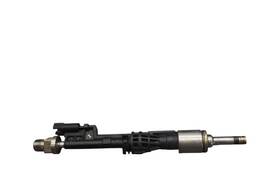
( Country Of Origin: Germany ), ( Mounting Style: Bolt-on ), ( Items Included: Mounting Hardware ), ( Item Diameter: Oem ), ( Vintage Part: No ), ( Fuel Type: Gasoline ), ( Type: Fuel Injector ), ( Ipn: 12-18 ), ( Connector Color: Silver ), ( Manufacturer Warranty: 3 Months ), ( EAN: 1364759787005 )
Review BMW Fuel Injector Oem fits 320I 328I F30 2012–2018
The **BMW F30 320i/328i (2012 2018) Fuel Injector (Part Number: 1364759787005)** is a high-performance, precision-engineered component designed to deliver optimal fuel delivery for the inline-four turbocharged or naturally aspirated engines found in this iconic compact luxury sedan. Part of BMW s meticulously calibrated fuel injection system, this injector is engineered to atomize gasoline with exceptional accuracy, ensuring a precise air-fuel mixture for improved throttle response, reduced emissions, and enhanced engine efficiency. Built to meet the rigorous standards of BMW s F30 platform, this injector features a robust solenoid valve mechanism that opens and closes with millisecond precision, allowing for seamless fuel metering even under high-demand driving conditions, such as spirited acceleration or aggressive overtaking maneuvers. The durable stainless steel or high-grade plastic body resists corrosion and wear, while the internal needle and seat assembly is designed to maintain consistent spray patterns over an extended service life, minimizing the risk of clogging or uneven fuel distribution. Whether installed in a naturally aspirated 320i or the turbocharged 328i, this injector plays a critical role in sustaining the engine s power output, smooth operation, and adherence to emissions regulations. For performance enthusiasts, upgrading or replacing a worn injector can restore lost power, eliminate rough idling, or prevent misfires, ensuring the F30 s signature driving dynamics remain sharp and reliable. Compatible with BMW s advanced engine management systems, this part is a vital component for maintaining the balance between performance and efficiency that defines the F30 lineup.
### **Pros and Cons of Buying a BMW F30 320i/328i (2012-2018) with Fuel Injector Issues**
#### **Pros**
1. **Strong Performance and Driving Dynamics**
The F30 320i (2.0L turbo) and 328i (3.0L twin-turbo) offer engaging handling, precise steering, and responsive acceleration. The 328i, in particular, delivers strong power (300 hp) and torque, making it a capable grand tourer or track-capable sedan. The F30 s chassis is well-balanced, with a low center of gravity and good weight distribution, providing a sporty yet comfortable ride.
2. **Luxury and Interior Quality**
BMW s interior remains one of the best in class, with high-quality materials, ergonomic controls, and a premium feel. Features like heated/ventilated seats, ambient lighting, and a well-integrated infotainment system (though the iDrive can be clunky) contribute to a refined driving experience. The 328i s larger engine bay and more powerful performance justify its premium positioning.
3. **Reliability of the Platform (Compared to Competitors)**
While no car is perfect, the F30 s platform is generally robust. The 320i s 2.0L turbo engine is less prone to catastrophic failure compared to some rivals (e.g., early turbocharged Fords or Audis). The 328i s twin-turbo setup is more complex but has proven durable with proper maintenance. BMW s suspension and drivetrain components (e.g., Getrag transmissions, rear-wheel drive) are well-regarded.
4. **Aftermarket and Modification Support**
The F30 has a strong aftermarket presence, with widespread availability of parts, tuning solutions (e.g., MHD, BMS, or standalone ECU flashes), and performance upgrades. This makes it easier to address issues like fuel injectors or improve power if desired.
5. **Resale Value and Brand Prestige**
BMWs retain value reasonably well, especially the 328i, which commands a premium due to its performance. The brand s prestige adds appeal, particularly for enthusiasts or those who value BMW s reputation for driving dynamics.
6. **Fuel Efficiency (Relative to Its Class)**
The 320i achieves 22-25 MPG combined, which is decent for a turbocharged sedan. The 328i is less efficient ( 18-21 MPG) but offers significantly more power. Diesel alternatives (e.g., 330d) exist but are less common and may have their own issues.
7. **Safety Features**
The F30 comes standard with advanced safety tech for its era, including stability control, multiple airbags, and available adaptive cruise control (on higher trims). Later models (post-2015) benefit from updated collision avoidance systems.
---
#### **Cons**
1. **Fuel Injector Issues (Common Problem)**
The most significant drawback of this generation is the **frequent failure of fuel injectors**, particularly in the 320i (2.0L turbo) and, to a lesser extent, the 328i (3.0L twin-turbo). Symptoms include:
- Rough idling or stalling
- Loss of power or hesitation
- Check Engine Light (P0000, P0001, P0002, P0003, P0004 codes)
- Poor fuel economy
- Potential long-term damage to the catalytic converter or engine if ignored
- **Cost:** Replacing injectors can range from **$1,500 $3,000 ** depending on labor and whether OEM or aftermarket parts are used. Some owners report multiple injectors failing within a few years.
*Note:* The 328i s injectors are less commonly reported as problematic, but they are still a potential concern. The 320i is more prone due to higher boost pressures and the 2.0L s design.
2. **Transmission Reliability (Especially in Early Models)**
The **Getrag 6HP26 automatic transmission** (standard in F30s) has had issues with:- Rough shifting or delayed engagement
- Transmission fluid leaks
- Premature wear (common in pre-2015 models)
- **Cost:** A transmission rebuild or replacement can exceed **$3,000 $5,000**, including labor.
Later models (2016 ) received updates to improve shift quality, but early examples are riskier.
3. **Maintenance and Repair Costs**
BMWs are expensive to maintain, with parts and labor costs often **20 30% higher** than German or non-luxury brands. Common high-cost items include:
- Timing chain tensioners (if the engine is prone to timing chain stretch)
- Suspension components (struts, bushings, control arms)
- Electrical gremlins (e.g., faulty sensors, wiring issues)
- Infotainment system glitches (iDrive can be finicky)
4. **Turbocharger and Oil Consumption (320i/328i)**
- The 2.0L turbo in the 320i can develop **oil consumption issues**, leading to blue smoke and potential engine damage if unaddressed.
- The 3.0L twin-turbo in the 328i is more robust but still requires **high-quality synthetic oil** (e.g., Motul, Liqui Moly) to prevent sludge or turbo failure.
- **Cost:** Addressing oil consumption or turbo issues can run **$1,000 $2,500 **.
5. **Electrical and Infotainment Problems**
- The **iDrive system** (especially pre-2016) is notorious for freezing, lagging, or requiring resets. Updates via BMW dealers can help but are not always permanent.
- **Window regulators, door locks, and climate control** have had reliability issues in some models.
- **Bluetooth and phone connectivity** can be finicky, requiring manual pairing or updates.
6. **Rust and Bodywork Concerns**
- The F30 s **roof rails, wheel wells, and lower body panels** are prone to rust, particularly in snowy or salted regions. Inspect these areas closely.
- Some owners report **water leaks** into the cabin, especially around the windshield or rear hatch.
7. **Depreciation and Long-Term Costs**
- While BMWs hold value, the **total cost of ownership** over 100,000 miles can be prohibitive due to repairs, insurance, and maintenance.
- The **328i s higher power output** comes with higher insurance premiums and fuel costs compared to the 320i.
8. **Noise and NVH (Noise, Vibration, Harshness)**
- The cabin can be **noisy at highway speeds**, particularly with the soft-top (if equipped) or on poorly maintained suspension.
- The **328i s twin-turbo setup** can produce noticeable exhaust noise, which some may find intrusive.
---
### **Key Considerations Before Buying**
1. **Fuel Injector History**
- **Ask for service records** confirming injector replacements or cleaning. If the seller claims "no issues," get a **pre-purchase inspection (PPI)** with a scan for injector-related codes.
- **Avoid cars with P0000-P0004 codes** unless injectors have been replaced recently.
- Consider **budgeting $1,500 $3,000** for injectors if they re needed.
2. **Transmission Condition**
- Check for **smooth shifting** and no delay in engagement. Listen for **grinding or whining** during gear changes.
- **Transmission fluid should be dark brown/black** (not light or milky) and have a burnt smell. Fresh fluid (2016 ) is a plus.
3. **Oil Consumption (320i/328i)**
- **Check for blue smoke** from the exhaust, especially after cold starts.
- **Verify oil change intervals** BMWs should use **high-quality synthetic oil** every **5,000 7,500 miles**.
4. **Rust Inspection**
- Look under the **roof rails, wheel wells, and sills** for rust or paint delamination. Minor rust is fixable; severe rust can require expensive repairs.
5. **Suspension and Alignment**
- **Struts, bushings, and control arms** wear out over time. A **suspension inspection** is recommended.
- **Tire wear** can indicate alignment or suspension issues.
6. **Electrical System**
- Test all **windows, locks, and climate controls** to ensure they function smoothly.
- **iDrive responsiveness** older systems may need a reset or update.
7. **Test Drive Focus Areas**
- **Acceleration and power delivery** (listen for turbo lag or hesitation).
- **Braking** (check for pulsation or grinding noises).
- **Steering feel**
Details:
All of the parts are tested either before or after removal from vehicle. As a result of it being used part, the item may show light scuffs, scratches, or other imperfections. Please match part number to ensure fitment. Fitment and Compatibility.
This part may fit one or all of the described vehicles. Shipping prices for ground apply only to the continental states of USA. All electronic items are tested before being listed.
part #: 1364759787005 prices
- $30.00-$91.00
specifications carfuelinjector:
- for models: 320i, 328i, F30
- for makes: Bmw
- for years: 2012-2018
- country of origin: Germany
- mounting style: Bolt-on
- items included: Mounting Hardware
- item diameter: Oem
- vintage part: No
- fuel type: Gasoline
- type: Fuel Injector
- ipn: 12-18
- connector color: Silver
- manufacturer warranty: 3 Months
- ean: 1364759787005
offer carfuelinjector:
- availability: In Stock
- sold: 0
- best offers: True
- started: April 11, 2026
- options: Ship-to-home
- quantity: 1
shipping carfuelinjector:
- service: FedEx Ground / FedEx Home Delivery
- cost: $50.00
- transit: 5-11 Days
- class: Standard
- carrier: FedEx
- type: Fixed
seller carfuelinjector:
- city: Lincoln, California
- rating: 99.8%
- # reviews: 11084
returns carfuelinjector:
- policy: Returns Accepted
- time: 30 Days
- paid by: Buyer
payments carfuelinjector:
- other
- wallet: Apple-pay
- credit card: Visa
- money order
general carfuelinjector:
- Air Fuel Delivery > Fuel Injection Parts > Fuel Injectors
- condition: Used
Bmw Is Similar To:
- BMW E46 M3 OEM 01-06 ENGINE FUEL INJECTION INJECTORS INTACT (11.9% similar) This part is in good condition, ready to replace your missing or damaged part. This part was removed from a 2002 bmw 330I...(January 25th, 2014)
- 2006 Bmw F20 F21 F30 F31 Citroen Peugeot BOSCH Fuel Injector 1.6L 0261500073 (40.9% similar) Cross reference and oe number list -->brand number BMW13 53 7/5 19 623 BMW13 64 7/5 98 785 BOSCH0 261 500 073 BOSCH62807 BOSCHHDEV-5-1 CITROEN1984 h5 CITROEN1984 h7 CITROEN/PEUGEOTV7 591 62380 CITROEN/PEUGEOTV7 598 78580 MINI13 53 7/5 91 623 PEUGEOT1984 h5 PEUGEOT1984 H7FITMENT --> brand model type ...(January 29th, 2014)
- 1993 to 1998 BMW 3.0L 4.0L 4.4L OEM BOSCH FUEL INJECTORS 0280150778 (13.1% similar) Warrant your 2 year replacement warranty is valid from the day of delivery. Each injector works like new for a fraction of the price oem 1993 1994 1995 1996 1997 1998 bmw with each of our injectors are torn down, thoroughly cleaned and rebuilt using the latest in fuel injection test ...(March 26th, 2014)
- Bosch Diesel Injector 0445110209 For BMW E60 E61 E81 E87 E90 E91 E92 E93 (22.4% similar) Absolutely new fuel injectors. New new new with box. Model / engine power fuel YEAR1 E81, E87 / 118D M47N204D4 122 HP/90 kw V4DIESELFROM 09/20043 E90 / 318D M47N204D4 122 HP/90 kw V4DIESELFROM 09/20053 E90 / 325D M57306D3 197 HP/145 kw V6DIESELFROM 09/20063 touring E91 / 318D M47N204D4 122 HP/90. ...(January 16th, 2014)
- BMW E36 E34 325 TD TDS 525 TDS M51 DIESEL MASTER FUEL INJECTOR 13532244402 (23.3% similar) 5 diesel fuel master injector inspirited SE will also fit the bmw 325TD 325TDS 525TDS land rover 5EXCELLENT condition 3 E36 sedan/ touring 325TD/ 325TDS 5 E34 sedan/ touring 525TD / 525 tads range rover ii LP 07. 2002 KB 25 6t bmw 100KW/ 136PS 2,5D Opel omega b / omega b caravan 2,5 130PS...(January 28th, 2014)
- BMW 335i OEM GENUINE fuel injectors part 13537537317-10 (34.2% similar) There is no warranty on this item. This is a genuine oem bmw factory fuel injector. Part #: 23 13537537317 10ITEM condition: used vehicle applications: 2007 -2008 bmw 335I N54 twin turbocharged engine. This item is tested 100% functional. Mileage: about 45-46K on fuel injectors. These are the Puzo ...(March 23rd, 2014)
- BMW OEM 13537585261 Fuel Injector (54.5% similar) ...(May 13th, 2014)
- 1991-1995 BMW 525i Set of 6 Fuel Injectors Professionally Reconditioned OEM Part (38.5% similar) 5l l6 M50 1993 -1995 bmw 525IT 5l l6 M50 1991 -1995 bmw 525I 5l l6 M50 factory undercharge part numbers: 13531261685 13641730060 13641730080 M455 these are original bosch injectors, not cheap aftermarket units. 5l l6 M52 1998 -1999 bmw 323IS factory bmw fuel injectors for less than the price of ...(January 16th, 2014)
- Fuel Injectors 1997-1999 BMW M3 3.2L BOSCH 4-Hole Set Professionally Rebuilt (24.4% similar) The only difference between these injecto. Untitled document price is for a set of 6 reconditioned fuel injectors. They were manufactured by bosch with the same standards and specifications as your factory injectors. However, these injectors were originally manufactured for ford application and have...(January 21st, 2014)
- BMW E39 525tds E36 318tds 325tds E38 725tds M51 DIESEL MASTER FUEL INJECTOR (27.7% similar) 98;105;143;2503 ab Bk. 1995 BMW;5 E39 ;525 TD;01. 98;85;115;2497 ab Bk. 99;105;143;2503 ab Bk. 04;105;143;2503 bis Bk. Bmw 00;66;90;1665 BMW;3 touring E36 ;318 TDS;01. 99;66;90;1665 ab Bk. 2000 BMW;5 E39 ;525 TDS;01. 5EXCELLENT condition TESTEDBMW;3 E36 ;318 TDS;01. 5 diesel fuel master injector...(March 7th, 2014)
- BMW E90 N52 2006 325i Fuel Injection Rail and Fuel Injectors 7531634 (42.3% similar) Fuel rail fits BMW's equipped with N52 engines. This listing is for a good used fuel injection rail pulled from a 2006 bmw E90 325I complete with a good set of fuel injectors. Injectors only guarantee to fit 2006 bmw 325I but may fit other N52 equipped BMW's that use fuel injectors with the ...(May 18th, 2014)