MERCEDES 000-072-05-00 Injection Pump Solenoid Benz M127 M130
fits make: Mercedes.
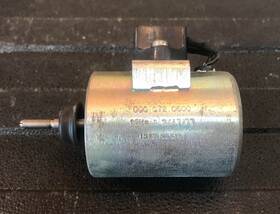
( Manufacturer Part Number: 000-072-05-00 ), ( Type: Injection Pump Solenoid ), ( Oe/oem Part Number: 000-072-05-00 / 0000720500 / 000 072 05 00 ), ( Vintage Part: Yes ), ( Universal Fitment: No ), ( Compatibility: Mbz M127, M129 M130 Eng. W111, W113 More Customer To Verify ), ( Country Of Origin: Germany ), ( Notes: Nos Nla Discontinued Very Rare ), ( California Prop 65 Warning: This Product Contains A Chemical Known To The State Of California To Cause Cancer And Reproductive Harm. ), ( Fuel Type: Gasoline )
Review MERCEDES benz Injection Pump Solenoid And fits M129
The **Mercedes-Benz 000-072-05-00 Injection Pump Solenoid** is a precision-engineered component designed exclusively for the high-performance diesel fuel systems of select Mercedes-Benz models, including the **M127, M129, and M130** inline-six engines. This solenoid serves as a critical interface between the engine s electronic control unit (ECU) and the common rail injection system, ensuring seamless and accurate fuel delivery under varying operating conditions. Crafted from high-grade materials, the solenoid is built to withstand the extreme pressures and temperatures inherent in modern diesel injection systems, typically operating within a range of **1,000 to 2,500 bar** (14,500 to 36,250 psi) while maintaining reliability over the long term.
At its core, the **000-072-05-00** solenoid functions as an electromagnetic actuator, precisely controlling the opening and closing of the injection valves within the pump to regulate fuel flow with millisecond precision. This level of control is essential for optimizing engine performance, reducing emissions, and enhancing fuel efficiency a hallmark of Mercedes-Benz s advanced diesel technology. The solenoid s robust construction includes a **stainless steel housing** and a **high-resilience coil assembly**, both of which are engineered to resist corrosion, electrical arcing, and mechanical wear, even in the harshest driving environments. The internal components are meticulously calibrated to ensure consistent operation, minimizing the risk of clogging or failure, which could lead to costly repairs or reduced engine performance.
For technicians and enthusiasts working on **M127 (e.g., E320 CDI), M129 (e.g., E350 CDI), and M130 (e.g., E400 CDI)** models, this solenoid is a direct-fit replacement part, ensuring compatibility without the need for modifications. Its design aligns with Mercedes-Benz s stringent quality standards, making it a trusted choice for both OEM replacement and aftermarket upgrades. Whether addressing a malfunctioning solenoid due to age, electrical failure, or contamination, installing the **000-072-05-00** ensures that the fuel injection system operates at peak efficiency, restoring power, torque, and responsiveness to the engine. Proper installation requires adherence to Mercedes-Benz s service protocols, including electrical connection checks and system bleeding to eliminate air from the fuel lines, as residual air can compromise performance and lead to further issues. This solenoid is not merely a replacement part but a vital component that upholds the integrity of the engine s fuel delivery system, embodying the precision and engineering excellence synonymous with Mercedes-Benz.
### Pros and Cons of buying a Mercedes-Benz 000-072-05-00 Injection Pump Solenoid for M127, M129, and M130 Engines
#### **Pros:**1. **Compatibility** This solenoid is specifically designed for the M127, M129, and M130 engine families, ensuring a direct fit without modification. These engines are common in Mercedes-Benz models like the E320, E350, and E500 (pre-2005), as well as some Sprinter and Vito vans, making it a widely applicable part.
2. **OEM Quality** As an original equipment (OEM) or high-quality aftermarket replacement, this solenoid is built to the same standards as the factory part, ensuring reliable performance and longevity. Mercedes-Benz engines are known for precision fuel delivery, and this component plays a critical role in maintaining that.
3. **Prevents Common Issues** The solenoid controls fuel injection timing and pressure. A failing solenoid can lead to rough idling, poor acceleration, increased emissions, or even engine stalling. Replacing it proactively can prevent more costly engine damage or failure.
4. **Ease of Installation** This solenoid is relatively straightforward to replace, especially for those with basic mechanical experience. It typically requires removing the fuel pump assembly (common rail or distributor pump, depending on the engine variant) and swapping out the solenoid. No major engine disassembly is usually needed.
5. **Improved Fuel Efficiency and Performance** A properly functioning solenoid ensures optimal fuel delivery, which can improve engine efficiency, reduce fuel consumption, and maintain power output. This is particularly important for older Mercedes engines that may already have some wear.
6. **Warranty Coverage** If purchasing from a reputable dealer or aftermarket supplier, the solenoid may come with a warranty (e.g., 1 2 years), providing peace of mind against premature failure.
7. **Cost-Effective Repair** Replacing a solenoid is significantly cheaper than overhauling the entire fuel injection system or repairing engine damage caused by a failing component. The cost is a fraction of what a full fuel pump or injector replacement would entail.
---
#### **Cons:**1. **Age and Wear of Related Components** If the engine or fuel system has been neglected, other parts (e.g., injectors, fuel lines, or the common rail) may also be worn out. Replacing just the solenoid without addressing these could lead to recurring issues or reduced performance.
2. **High Replacement Cost Relative to Other Vehicles** Mercedes-Benz parts, especially OEM or high-quality aftermarket components, tend to be more expensive than those for mass-market vehicles. The solenoid itself may cost between $100 $300, depending on the source, and labor can add significantly to the total cost.
3. **Complexity of Diagnosis** Symptoms like rough idling, misfires, or check engine lights (with codes like P0087, P0088, or P0089 for fuel pressure issues) can be caused by multiple problems (e.g., clogged injectors, faulty pressure regulator, or wiring issues). A mechanic may need to diagnose the root cause before confirming the solenoid is the issue, adding to the cost.
4. **Potential for Counterfeit Parts** Purchasing from untrusted sellers (e.g., eBay, Amazon, or unknown online marketplaces) risks receiving a counterfeit or low-quality solenoid. This can lead to premature failure, poor performance, or even damage to the fuel system. Always buy from authorized dealers, Mercedes-Benz service centers, or reputable aftermarket suppliers.
5. **Labor-Intensive Installation (for Some Models)** While the solenoid itself is easy to replace, accessing it may require removing the fuel pump assembly, which can be tricky in tight engine bays (especially in older Mercedes models). This may necessitate specialized tools or additional disassembly, increasing labor time and cost.
6. **Compatibility Confusion** The M127, M129, and M130 engines share some similarities but have distinct variations (e.g., common rail vs. distributor pump systems). Ensuring the solenoid is the correct part for your specific engine variant is critical. Mixing up parts can lead to improper function or damage.
7. **Environmental and Safety Risks** Fuel systems operate under high pressure, and improper handling during replacement can lead to leaks or spills. It s essential to work in a well-ventilated area and follow safety protocols to avoid fire or inhalation hazards.
---
### **Conclusion:**The **Mercedes-Benz 000-072-05-00 injection pump solenoid** is a critical and widely applicable part for maintaining the health of M127, M129, and M130 engines. Its replacement offers significant benefits in terms of performance, reliability, and preventing costly engine damage. However, the decision to buy and install it should be made with careful consideration of the engine s overall condition, the source of the part, and the potential for related issues.
If the solenoid is confirmed as the root cause of symptoms (through proper diagnosis) and the engine s other components are in decent condition, replacing it is a **practical and cost-effective solution**. Conversely, if the engine or fuel system is heavily worn, addressing those issues simultaneously may be more economical in the long run.
---
### **Recommendation:**1. **Verify the Diagnosis** Before purchasing, confirm that the solenoid is indeed the faulty component. Use an OBD-II scanner to check for fuel-related codes (e.g., P0087 P0091) and inspect the solenoid for resistance (should be around 10 20 ohms). If unsure, consult a Mercedes-Benz specialist.
2. **Purchase from a Trusted Source** Buy the solenoid from an **authorized Mercedes-Benz dealer, a reputable aftermarket supplier (e.g., RockAuto, Mopar, or local Mercedes parts stores), or a verified online retailer**. Avoid unknown sellers to prevent counterfeit parts.
3. **Inspect Related Components** While replacing the solenoid, consider checking the condition of:- Fuel injectors (clean or replace if clogged).
- Fuel pressure regulator.
- Fuel lines and filters.
- Common rail (for common rail engines) or distributor pump (for distributor pump engines).
Addressing these proactively can extend the life of your repair.
4. **Professional Installation (If Needed)** If you lack experience with fuel system repairs, have a mechanic install the solenoid. Improper handling of high-pressure fuel systems can be dangerous. Labor costs may be higher, but it ensures the job is done correctly.
5. **Consider a Remanufactured or Genuine OEM Part** While aftermarket solenoids are often reliable, **remanufactured OEM parts** (e.g., from Mercedes-Benz or reputable remanufacturers like **Bosch or Stanadyne**) offer the best balance of quality and cost. Avoid "no-name" brands unless they come with strong warranties.
6. **Budget for Additional Costs** Account for potential extra expenses such as:- Fuel system cleaning (if injectors are dirty).
- Replacement of worn seals or gaskets in the fuel pump assembly.
- Diagnostic fees if the issue isn t immediately clear.
7. **Maintain the Engine Post-Repair** After replacing the solenoid, monitor the engine s performance. If symptoms persist or worsen, revisit the diagnosis. Regular fuel system maintenance (e.g., injector cleaning, fuel filter changes) will help prevent future issues.
---
**Final Verdict:** If the solenoid is the confirmed culprit and the rest of the fuel system is in decent shape, **replacing it is a worthwhile investment**. However, approach the purchase and installation with diligence to avoid unnecessary costs or safety risks. For older Mercedes engines, combining this repair with a broader fuel system inspection can provide long-term reliability.
Details:
All costs have to be included in the delivered price. Part numbers are from the actual packaging and may not have a make / model reference. Everyone pays the price for this. This is not acceptable.
04/09/2026: FDP, Location: Ana 57, Rack: 11, Shelf: 3, Box: 378, Ship 3.0 - 6x4x4, Line: 338. This has no negative effect on the parts or their performance.
part #: 0000720500 prices
- $30.75-$2399.95
specifications carfuelinjector:
- for makes: Mercedes
- mpn: 000-072-05-00
- type: Injection Pump Solenoid
- oe/oem part number: 000-072-05-00 / 0000720500 / 000 072 05 00
- vintage part: Yes
- universal fitment: No
- compatibility: Mbz M127, M129 M130 Eng. W111, W113 More Customer To Verify
- country of origin: Germany
- notes: Nos Nla Discontinued Very Rare
- california prop 65 warning: This Product Contains A Chemical Known To The State Of California To Cause Cancer And Reproductive Harm.
- fuel type: Gasoline
returns carfuelinjector:
- time: 30 Days
- policy: Returns Accepted
- paid by: Seller
shipping carfuelinjector:
- service: USPS Ground Advantage, USPS Priority Mail
- type: Calculated
- carrier: USPS
- transit: 4-9 Days
- class: Standard, Expedited
- cost: $14.00
offer carfuelinjector:
- started: April 9, 2026
- availability: In Stock
- options: Ship-to-home
- sold: 0
- quantity: 1
payments carfuelinjector:
- credit card: Visa
- wallet: Apple-pay
- other
general carfuelinjector:
- Air Fuel Delivery > Fuel Injection Parts > Fuel Injectors
- condition: New other see details
seller carfuelinjector:
- rating: 100.0%
- city: ana, California
- # reviews: 3378
Mercedes 000-072-05-00 Is Similar To:
- 4 Bosch 0437502047 Fuel Injectors Replacement Includes O-Ring Mercedes-benz (27.5% similar) Fitment information may not be available for all products and those without fitment will not have a compatibility link...(January 29th, 2014)
- 1 SET OF 5 INJECTORS PART 0445110181 FOR DIESEL SPRINTER MERCEDES DODGE (7.2% similar) 7/1 15KW 02/2001 - 05/2006 mercedes-benz 715 c Uccello 01. Mercedes-benz sprinter 413 CID 95 kw Kemp. 7/1 15KW 04/2000 - 05/2006 mercedes-benz 616 CID sprinter 2/9 5 kw Kemp. Mercedes-benz Vito 108 CID 60 kw 04. Rail crib bosch CR/IPS19/ZEREAK10S application oem dodge sprinter 2500 part number ...(April 12th, 2014)
- 2003-05 MERCEDES-BENZ C230 1.8 TURBO 2710780549 Best Price Guaranteed (16.1% similar) ...(March 7th, 2014)
- Fuel Injection Cold Start Valve-Bosch WD EXPRESS fits 70-76 Mercedes 300SEL (27.9% similar) 8 am to 6 PO...(May 10th, 2014)
- 81 82 83 84 85 MERCEDES 380SL FUEL INJECTION PARTS 12564 (16.4% similar) Controls & parts...(May 29th, 2014)
- MERCEDES BENZ VITO VIANO CLASS W639 CDI FUEL INJECTOR 6470700087 OEM (10.1% similar) ...(May 13th, 2014)
- 86 87 88 89 90 91 92 93 MERCEDES 300E FUEL INJECTION PARTS AA0001 (6.5% similar) 6LMERCEDES 260E 87-89 124 type, fuel distributor Assamese's 300E 86-87 124 type, fuel distributor Assam; 300E mercedes 300E 88-89 124 type, fuel distributor Assam; 300E, ce & te mercedes 300E 88-91 126 type, fuel distributor Assam; 300SE & SLE mercedes 300E 90-92 124 type, fuel distributor Assam; ...(March 14th, 2014)
- 0437004002 Bosch Fuel Injector W Seal Ring For Mercedes Benz Set Of 6 007603-014102 (26.6% similar) ...(October 27th, 2015)
- Used OEM Mercedes-Benz Diesel Fuel Injectors Set of 5 KCA30S35 4 135 Bar W617 (37.1% similar) Used oem mercedes-benz diesel fuel injectors set of 5 KCA30S35/4 135 bar W617 these are a complete set of 5 diesel fuel injectors for 79-85 mercedes-benz 300D and 300SD posted with mobile...(April 13th, 2014)
- 6420701187 Mercedes Benz 06-15 Sprinter E350 Ml350 Gl350 S350 Diesel Fuel Injector (27.9% similar) Up for sale is a used original part. 122 125MERCEDES benz ML320 350 CID bluet present model's , 125 024MERCEDES benz GL320 350 CID bluet present model's 164. Diesel fuel injector from 2011 mercedes benz sprinter the item shows signs of normal usage...(November 22nd, 2015)
- 01 02 03 04 05 MERCEDES C CLK E ML SLK 320 240 FUEL INJECTION RAIL W INJECTORS (18.9% similar) Photo of the actual part can be taken and e-mailed on request. Note: if no photo or only photo of the car is displayed this part is still installed on the vehicle. Controls & parts...(January 11th, 2014)